Showing posts with label ear tags. Show all posts

Saturday, March 23, 2013

Calves and Snow

 As we wrap up National Ag Week, here is a sampling of the photos I took last week at my fiancee's, where it snowed without any wind! Be prepared for lots of cute calf pictures  : )


It takes a great man to extend chore time by almost double because I was constantly asking him to stop, back up, let me out, hold on before tagging that calf, wait a minute, etc... and be okay with it.  I've got a good one!

I'm also linking this post up with The View From Right Here's Rurality Blog Hop!

Tuesday, March 20, 2012

First day of spring!

 Three new babies have arrived to help celebrate the first day of spring on our place!
P.S. Don't forget to enter my giveaway for an 11x14 print of your choice! Only five more days before it's over.


Monday, March 12, 2012

Pregnant Cows

 Our cows are starting to get heavy, drop, or in generic terms are nearing their due dates. The official date we are supposed to start calving is March 25. But, we use low birthweight bulls, which means we use bulls that are known to sire calves that weigh less at birth (I'm talking calves that weight 70-80 pounds instead of 90+ pounds). The way you get lighter calves at birth is through a shorter gestation period, and yes we measure gestation periods in cattle, and select bulls on this trait. Just like people, some bulls will sire calves that are born sooner, and some will sire calves born later. Fewer days inside mama means less time to just grow, as babies are known to do in the last few days prior to birth. 
So, while March 25 is the "official" date based on when the bulls were turned in, we will start before then. This week we have been cleaning up the calving shed in preparation. We are also sorting our first calf heifers off from the three-year old cows they were wintered with on Wednesday because we only bring the heifers expecting their first calf into a smaller lot to watch. By the end of this week we will be ready for the first arrivals.
Other preparatory actions taken prior to calving include purchasing and writing on new ear tags for all the babies and making sure any vet supplies that may be needed for calf-related health issues are on hand (c-section needle, thread and necessary drugs, disinfectant, scour pills, boluses we use in case a cow doesn't clean, etc...). We also always have a couple large dog coats on hand for cold days and/or babies that aren't warming up very fast. I passed on leopard print for teal this year. We're thinking a zebra print would really cause issues with anyone driving by, and I'm on a mission to find one for next year! A few heat lamps are also stocked with new lightbulbs, and kept close at hand in the shed for cold weather days, and chilled calves.
Calf record keeping books are located and organized, ear taggers are checked and snow fence is strategically applied to the normal fence to block wind and provide additional protection.
When we get done with all that, hopefully we have a day or two to just wait. For now, the expectant mothers looks like this:


Wednesday, July 13, 2011

Cleaning the Vet Cupboard

As ranchers, one of our major responsibilities is keeping our livestock healthy. We have an extensive, year-round, fully customized health program for every animal on our ranch that is designed to keep them healthy without overdoing it with any health related area. We typically buy these health items as we get ready to work the cattle and administer them.
But, because of the expense associated with several common, and uncommon, health issues in livestock, and the often long drive to town to have them treated, most ranchers are armed and ready to treat any number of ailments in their cattle, sheep or hogs at any time. Keeping the necessary medicines, instruments and other tools required for these tasks is a part of ranch life, and another great example of what we're willing to do to save an animal, or help it get over a health related ailment.


Having all the necessary stuff on-hand also means you need a place to store it. Enter the "vet cupboard" at our house. I forgot to snap a before picture, but everything you can see on the floor (minus the shoes and laundry basket) were in that cupboard. It was getting pretty disorganized, so I took it upon myself to clean it all out so we can find stuff when we need it. This is a chore that just needs to happen every couple years.


The cupboard (it's not crooked in real life) all wiped out and ready to go. Some marking spray paint spilled a while ago, hence the green stains. Information on mixing different medicines with water, and other beneficial information is taped inside the door for easy access.


What I drug out of the cupboard included several bottles of LA200 (the Oxymycin 200), a common low-grade antibiotic we use to treat many illnesses in our cattle, some indictable parasite control for cattle, snake bite treatment, marking paint and an assortment of other medicines that don't require refrigeration....


Ear tags, ear tag ink, bottles and nipples used to feed bum calves (those that have lost their mother), taggers for both sheep and cattle, disinfectant used for castrating bull calves....


Enough dog wormer, flea and tick stuff to last a while...


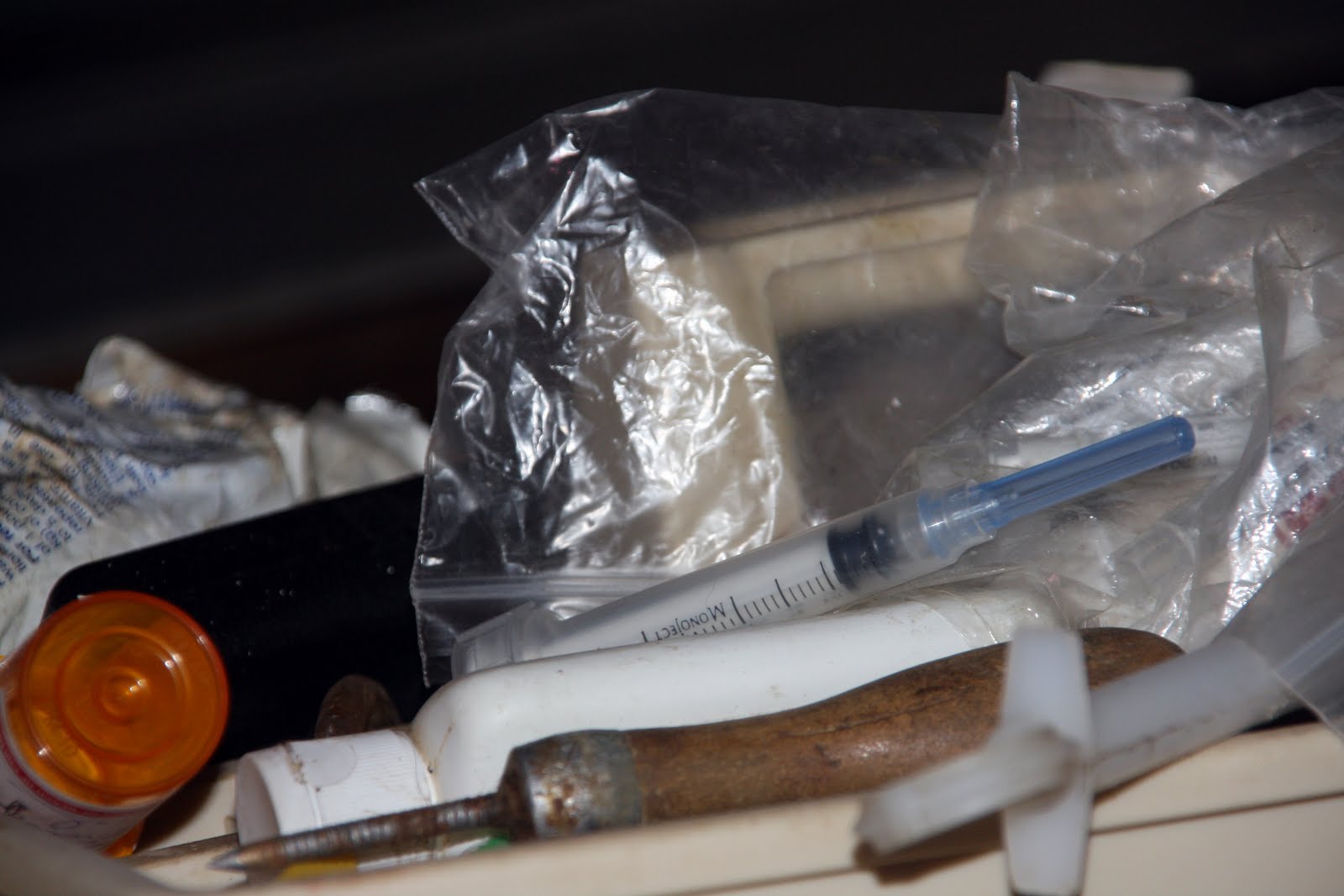
Various needles, syringes, bottles of more specific medicines prescribed by a vet, pill guns (blurry white thing in bottom left of picture), and that wooden thing is what we would poke through our lamb's ears to give them their scrapie vaccine


Colostrum for newborn calves, boluses for cow's that haven't naturally cleaned (expelled their afterbirth) after calving...


A whole box of paint marking sticks...


Various other things, including a box with everything you need, instrument wise, to fix a prolapse in a cow.


When I was done, all the dog/pet stuff, along with the electric branding irons and clipboard we use a lot when writing down information while working cattle, were put on the top shelf.


Shelf two now houses all the needles, small syringes, and other miscellaneous stuff (like the prolapse container, everything needed to do a c-section on a cow/sheep, heavy duty tape to cover wounds, etc...) in an easy to grab and sort through tray. Also on this shelf is the disinfectant for castrating, and a few pour-on applicator guns in the back.


Shelf three has a box for all our paint marking sticks, a number of different kinds of boluses (think a pill for a cow) used to treat everything from cows that don't clean to scours in calves. The pill guns that we use to administer a bolus, in most cases, are right next to the bags and containers of boluses, and our big syringes and extra glass for them are on the right.


Calf bottles and nipples, drench gun (what you use to feed a calf that can't suck a bottle), cutheal, fly repellent, more boluses, colostrum replacement, electrolytes, snake bite treatment, sheep tags we no longer use, and a variety of indictable medicines and anesthetics are on the next shelf.


On the bottom shelf, in the back are two dog coats we put on calves if they get cold right after being born, all the ear tags, ear tag ink, ear tag applicators, ear notchers, and a lunchbox we keep our refrigerated vaccines and medicines in when we work cattle.


Now the vet cupboard looks like this. Everything is easily accessible, inventory has been taken so stuff we're out of can be purchased, and things of common use are more grouped together. In addition to a vet cupboard, most ranchers also have a number of indictable medicines that need refrigerated on hand at all times. I did not make it through organizing those...yet.

Saturday, March 12, 2011

Tagging Calves

After feeding this morning, Holly and I were asked to tag calves and sort pairs out of the calving lot where the heifers are currently residing. My mom came along too to help with sorting, and was kind enough to take several photos of Holly and I as we went about our tasks. Here's the calf tagging part of our morning.
If you want to read more about ear tags and how and why they're used, here's a recent post on the topic.


Holly was the official driver, and gunned it across this muddy ditch, laughing and telling how fun that part was. I was a little surprised the first time my typically slow and steady driving sister did this to me, and made sure to hang on this morning!


After successfully making it across the ditch we tagged one calf, then paused to re-load the taggers with the next number, 16. Holly was in charge of the tags, and kept them in her coat pocket.
After this photo was taken I got back on, and Holly drove me to the next calf.


Everything from this picture on took under a minute. After Holly got close to the calf I jumped off and eased up behind him. I have my taggers in my other hand, and the calving record book in my coat pocket.


I like to grab standing calves by the tail first. Luckily this guy didn't seem to mind too much.


Then, if they're standing, you flank the calf and lay him on the ground. Sometimes this catches them by surprise and they bawl, like this guy. Sometimes this results in the mother cow thinking you're harming her baby, and she decides to harm you in order to protect her calf. This guys mother was really mellow about the whole thing, which is probably why mom was able to get so many pictures.


Then you have to get everything situated.


First thing, for me, is to get the calf's feet out from under him so he can't stand back up.


Some calves bawl and carry on throughout the whole deal, like this guy. Others lay quietly. After everything was situated I lifted up a back leg to determine if the calf is a bull or a heifer, this guy was a bull.


Since his mother didn't take offense to me tagging her calf, and was actually not even making herself known, I took the time to record his number and sex while sitting on him. At times, particularly when a 1,000+ pound heifer or 1,200+ pound cow is bearing down on you blowing snot and ready to eat your lunch, it's more logical to spend time writing in the book just about anywhere else but while sitting on her calf.
In those instances you jump on the calf, get him tagged, maybe see if it's a bull or heifer and leave, quickly.


In this case the next step was tagging him, which included making sure to put the tag far enough in his ear that it wouldn't weigh the tip down, and in a location that avoided the bigger veins running through the ear.


He continued to squirm around and bawl throughout the process. He was irritated with having someone sit on him.


When you're done, you just step off the calf and walk, or run, away, depending on the mother's attitude about the whole thing.


Like I mentioned, this guys mom wasn't worried at all. So, I stood by while the usual group of mother's gathered round, pacifying the little guy, and making sure he wasn't their calf, waiting to make sure I had him matched with the right cow in the record book.


Eventually everything sorts itself out. Sometimes this takes longer than others, and heifers are especially helpful and overly interested in anything else going on around them.


But eventually the rightful mother gathers up her young baby, who is none the worse for wear.
This guy wasn't very old, which made tagging him easier. As calves gain weight,strength and coordination, tagging becomes much more challenging in some instances.
This guy was about 24 hours old, and weighed between 70 and 80 pounds. As I mentioned before, tagging doesn't take but a few seconds if everything goes well and you're trying to be fast.
As with most things, a great number of things can also go wrong while tagging calves too, and lots of people have wild stories involving mad cows, dropped taggers and ornery calves.
This is also a task that different ranchers do in different ways. Lots of people use horses, and lots also use 4-wheelers. We've used both over the years, depending the setup and what works best in a given situation.

Thursday, February 24, 2011

The Ear Tag

Ear tags are used to individually identify cattle within a herd, and are found across the world. They come in a number of colors and sizes. Some come with numbers already melted and/or colored on them, and others come blank.
We individually identify our cattle for a number of reasons. Having ear tags helps match mother cows to baby calves, can aid in determining how old a cow is, note which animals you need to treat for sickness, and can be used in countless other circumstances where you need to remember an individual animal.
While brands are a permanent form of identification and can also be used to ID cattle, they are sometimes very hard to see and read. Brands are better at determining ownership of one to several head of cattle than helping you separate cow A and cow B, when they're both owned by the same person.


My dad uses green, 3-star (that's the size) Y-Tex tags. They come in bunches of 25, in clear bags, as can be seen on the left. Also included are 25 buttons, which are poked through the animal's ear to secure the ear tag in place. They work a lot like earrings do in humans, and giving a cow an ear tag is done the same way a human's ear is pierced, just with bigger equipment.


We write on our own ear tags, and use a very durable ink. It's important you don't get any of this ink on your mother's/wife's/sisters table, as it will likely be there forever, and she won't be happy.
Hence the spreading of newspapers over the work area. Ink comes in black or white, and we use both from year to year.


This is one of my jobs sometimes, and I'm not the best at it. You want to write big, clear, nice numbers on the tags so they are easy to read once in the cow's ear. The bigger and clearer the number, the better. Sometimes you have to read an ear tag in less than ideal conditions, and it needs to be legible.
We put the year the animal was born at the top of the ear tag. You can see the 1 here, and that stands for 2011. Next year we will put a 2 up there for 2012. Then we record the individual number below that. So, the tag I'm writing on would be read 1 over 4.
Some people put the number representing the year the animal was born at the beginning of the big numbers on the tag. So, for this year they would start at 100 and work up, then next year they would start with number 200 and work up, and the first number always represents the year the animal was born. If we did that, instead of that tag reading 1 over 4, it would say 104. This method only works if you keep under 100 replacement heifers each year, otherwise you would have to duplicate numbers, which causes an awful lot of confusion.
Some producers add more information to tags. For example, registered breeders (those that raise purebred bulls and females) may list pedigree information, birth dates, and more, on their tags.
Having the year the animal was born is useful when determining the animal's age, which is sometimes a critical factor for making management decisions. Lots of people sell cows that are over a certain age, or sort them based on age during different times of the year. Having this information displayed on an ear tag is a matter of efficiency and convenience.
In younger animals, like yearlings, tag numbers are often recorded when looking at potentially sick animals. You will "watch" animals that you aren't sure are sick. For example, it's not uncommon to have a list of ear tag numbers to "look at closely" when you go through your freshly weaned calves.
For a lot of things, ear tags are a faster, more efficient form of identification. The trade-off is they aren't permanent, and can be lost by the animal, or cut out by a human.


Here are the first 25 tags, plus a couple for my brother, sister and I's heifers. My tags are pink, a color my dad picked because from a distance its easily distinguishable from green. Kyle's are the blue tags and Holly's are yellow. All of Holly's tags say Holly, then a number. So that tag reads 1 over Holly1. She insists on her name being on each tag.
Some people make each calf's ear tag number match it's mothers tag number. So, the only difference between the two tag numbers is the year. As with most things, there are a number of "right" ways to do it, and people find the method that works best for them and their circumstances.


This is the ear tagger, aka big ear piercing gun. You don't want to lose this, and you want a spare in case you do lose this. Calving season is a time of almost constant sleep deprivation, and something like losing the last set of ear taggers could send a tired parent, sibling or spouse over the edge.
The clip is one thing that helps prevent this. These taggers can be clipped to 4-wheelers, saddles, carharts, and any number of other things. They're also durable, and if you do lose them the chance is they'll be fine if you ever find them again.


The tag and button are secured like so. When you squeeze the gun it pushes the sharp-pointed button through the ear, and through the visible hole of the tag. The design prevents the button from coming back out, and the tag is secure.
This simple, durable and effective design is key. When tagging newborn calves there is always the chance you will find the mother cow less than keen on the idea. Many a rancher has been run under a pickup, over a fence or back to his horse by a seriously angry cow intent on running him over and protecting her baby. You want your taggers to work, work fast, and survive if you have to leave on the ground in your haste to evade the angry cow.
You also want to position the tag properly in the calf's ear. If it's too close to the outer edge of the ear, the weight of the tag can cause the ear to droop, and it can also be ripped out very easily. There are also veins running through the ear that you want to avoid.


Another view. Cattle can be tagged at any stage in life, but lots of people tag calves as soon as they're born, and record their tag number, their sex, and their mother's tag number in a book. Some producers record additional information as well. Some of this information can be quite personal and colorful to the situation at hand, and is designed to help remember notable things about the cow, calf, or both. It may also note if any calving related issues occurred.
We record both the cow and calf's ear tag numbers, if the calf was a bull or a heifer, the color of the cow, the color of the calf, and if there were any calving related difficulties.
We tag our heifer's calves when they're born, but tag our cow's calves when we brand, and don't write down all the information I listed above for cow's calves. We don't need to match (pair) them with their mother's or individually identify them until after branding, and they're usually much better at it than heifers are. We also don't see our cows often during calving. Some people ride through their cows daily throughout calving season, checking for issues and tagging newborn calves.


Most people also put every ear tag in the same ear, every year. We switched years, sometime between 2004 and 2006 based on these cows, to accommodate our feeders chute setup. When feeding we would also put RFID tags in our steers, and sometimes our heifers, and we made sure those were on the side of his chute with the wand to record them.
RFID tags are radio frequency tags that can record and store information. There was a market premium available for having them in your cattle when we were feeding ours. They can also be used for age and source verification. Our feeder would record individual animal weights, and if and when he doctored an animal, and put that information on the RFID tags. This allowed us to figure individual average daily gains, and see if doctoring a calf impacted his performance, among other things.


This is one example of how tags are helpful when dealing with cows and calves. I bet you can guess which calf is hers. Even if everyone was sporting the same colored ear tags, if you had matched each calf to its mother in your book, you could look them up and determine very fast which baby goes with which cow.
Usually they match themselves up, but especially first-calf heifers can be really simple at times, and in those instances it's very handy to know for sure who her baby is. This is especially critical if the calf is having problems. For example, if she lost him and it's really cold outside. You need to find his mother and get him something warm to drink and make sure she is taking adequate care of him.
As calves are weaned, fed, or kept as replacements, ear tags continue to play a major role in quickly individually identifying each animal throughout it's lifetime, and is another example of a management tool rancher's use to keep animals healthy and thriving.